


When performance drops, most people assume they need to train harder. More volume. More intensity. More discipline. But in many cases, the problem isn’t overtraining, it’s under-recovery.
The difference matters. Because while overtraining is relatively rare, under-recovery is incredibly common and often overlooked.
Overtraining vs Under-Recovery: What’s the Difference?
Overtraining occurs when training volume or intensity consistently exceeds the body’s ability to adapt. It usually develops over long periods and requires significant rest to resolve.
Under-recovery, on the other hand, happens when recovery simply doesn’t match the stress load. Training, work stress, poor sleep, and life demands all accumulate — leaving the body unable to fully reset.
Most people aren’t training too much. They’re recovering too little.
The Subtle Signs People Ignore
Under-recovery doesn’t always feel dramatic. It often shows up quietly, disguised as normal fatigue or lack of motivation.
Common signs include:
- Persistent muscle soreness that doesn’t fully resolve
- Tightness and reduced mobility despite stretching
- Declining performance with the same training load
- Trouble sleeping or waking up feeling unrefreshed
- Irritability, brain fog, or low motivation
- Increased susceptibility to minor illnesses
Because these symptoms build gradually, they’re easy to dismiss until progress stalls completely.
Why Recovery Breaks Down So Easily
Recovery isn’t just about rest days. It’s influenced by:
- Nervous system stress from work and daily life
- Poor sleep quality
- Inadequate circulation after intense training
- Chronic inflammation
- Mental fatigue
Even with a well-structured training plan, recovery can fall behind when life stress is high.
The Nervous System Factor
One of the most missed elements of recovery is nervous system regulation.
When the nervous system remains overstimulated:
- Muscles don’t relax properly
- Sleep becomes lighter and less restorative
- Hormonal balance is disrupted
- Motivation and focus decline
This creates the illusion of overtraining when the real issue is that the body never fully shifts into recovery mode.
Cold Therapy: Managing Stress and Inflammation
Cold exposure helps regulate both physical and neurological stress.
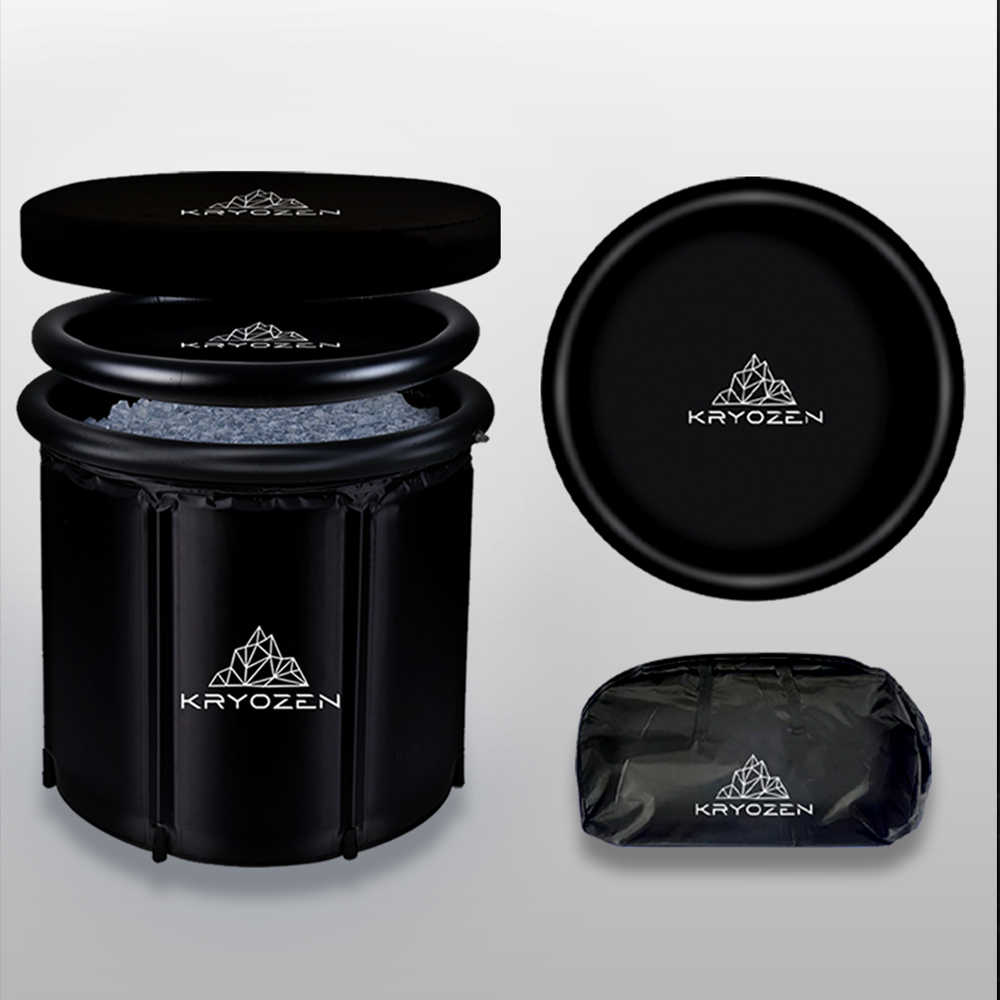
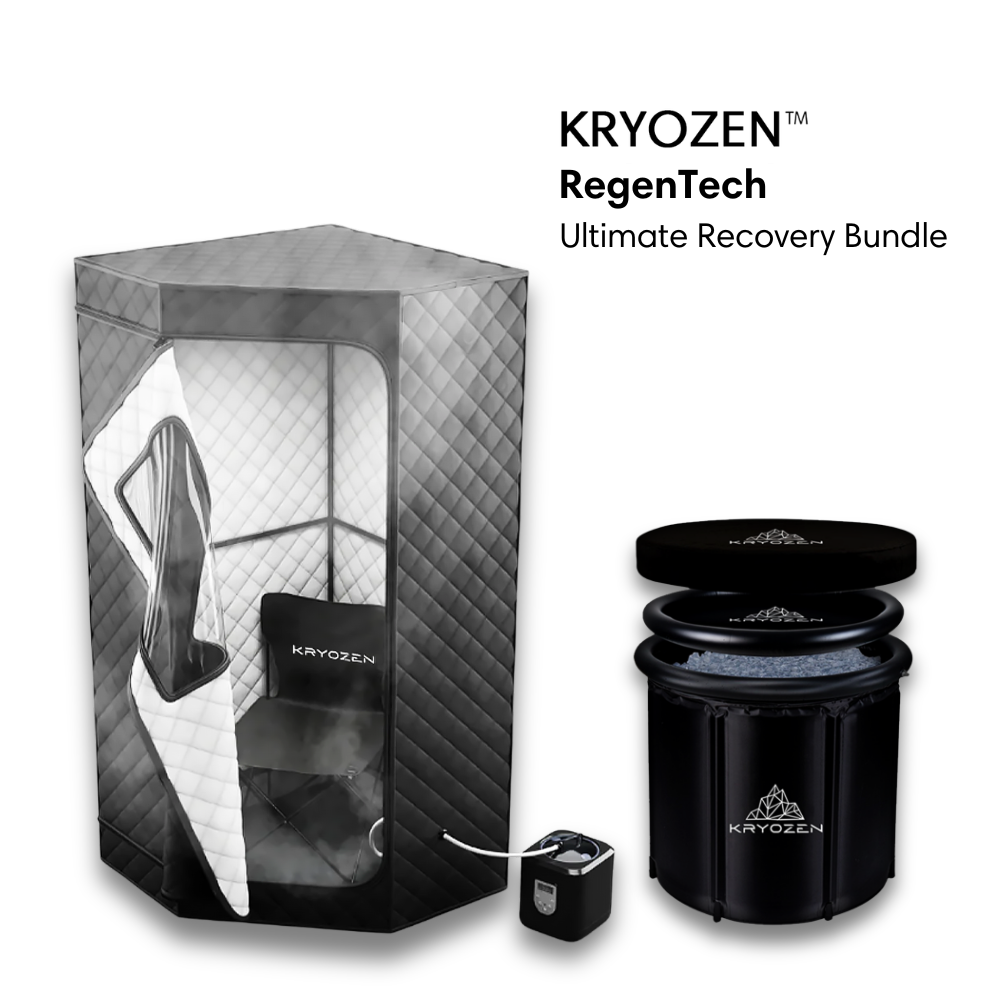
Using ColdPlunge® Pro supports recovery by:
- Reducing post-training inflammation
- Improving circulation through controlled cold exposure
- Resetting an overstimulated nervous system
- Enhancing stress resilience and mental clarity
Cold therapy is especially useful after high-intensity sessions or during demanding training phases.
Heat Therapy: Restoring and Rebalancing
Where cold manages inflammation, heat restores relaxation and circulation.
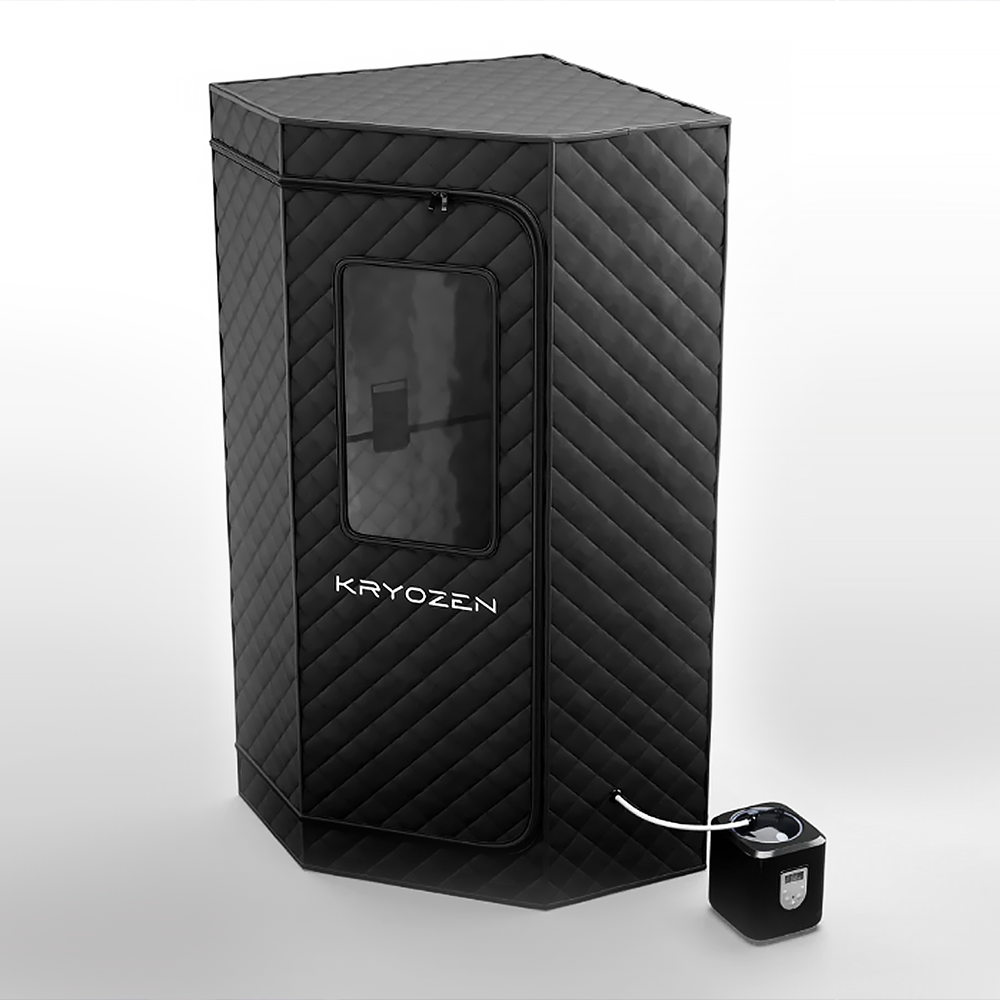
The VaporTropic® Pro supports under-recovered bodies by:
- Increasing blood flow to fatigued muscles
- Releasing tight tissue and improving mobility
- Activating the parasympathetic “rest and recover” response
- Supporting deeper, more restorative sleep
Heat therapy is particularly valuable when stiffness, tension, and fatigue linger despite rest.
Recovery Is the Missing Link to Progress
When recovery is addressed properly:
- Training feels lighter without changing volume
- Performance rebounds naturally
- Motivation returns
- Consistency becomes sustainable
Progress doesn’t always require doing more. Sometimes it requires recovering better.
Listen Before the Body Forces You To
True overtraining is rare. Chronic under-recovery is not. If your body feels stuck, tired, or resistant, it’s not a signal to push harder — it’s a signal to restore balance.
With ColdPlunge® Pro and VaporTropic® Pro, Kryozen helps close the recovery gap — so training stress leads to adaptation, not exhaustion. Because most people don’t quit from training too much. They quit from recovering too little.


